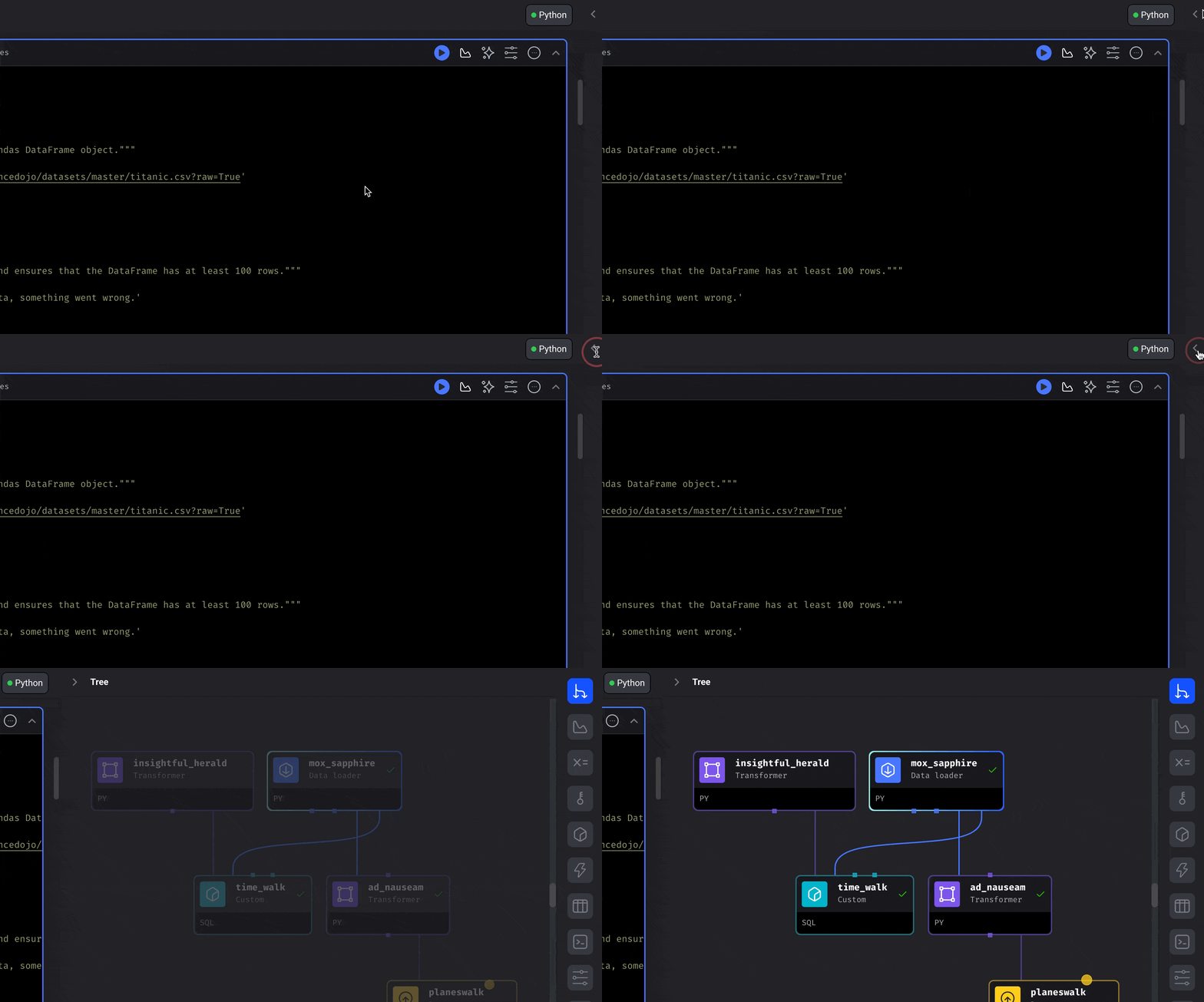
Chevron or Arrow looking icon to expand
the right panel and reveal the Sidekick.
Visualize block output data
Add 1 or multiple charts to visualize the data produced by a block. Click the chart icon in a supported block header, or click Add chart from a block output preview, to open AI Sidekick with the pipeline and block context already filled in. Describe the chart you want, and Sidekick generates Python Plotly code plus dashboard JSON metadata for the Analytics dashboard. When Sidekick opens for an Analytics chart, the prompt includes an Analytics workflow attachment with the target dashboard and source pipeline or block so the chart is saved in the expected place. When viewing block output as a table in the Sidekick data view, click a column header to sort the preview or use the filter icon to narrow rows by column value. Sorting and filtering only change the current table preview; they don’t modify the block output saved by the pipeline. For dynamic blocks and blocks with dynamic upstream dependencies, the Sidekick data view can show each dynamic child output separately. Use the Dynamic child selector to switch between child outputs, then use the output tabs to move between outputs within the selected child. Outputs without displayable data are skipped.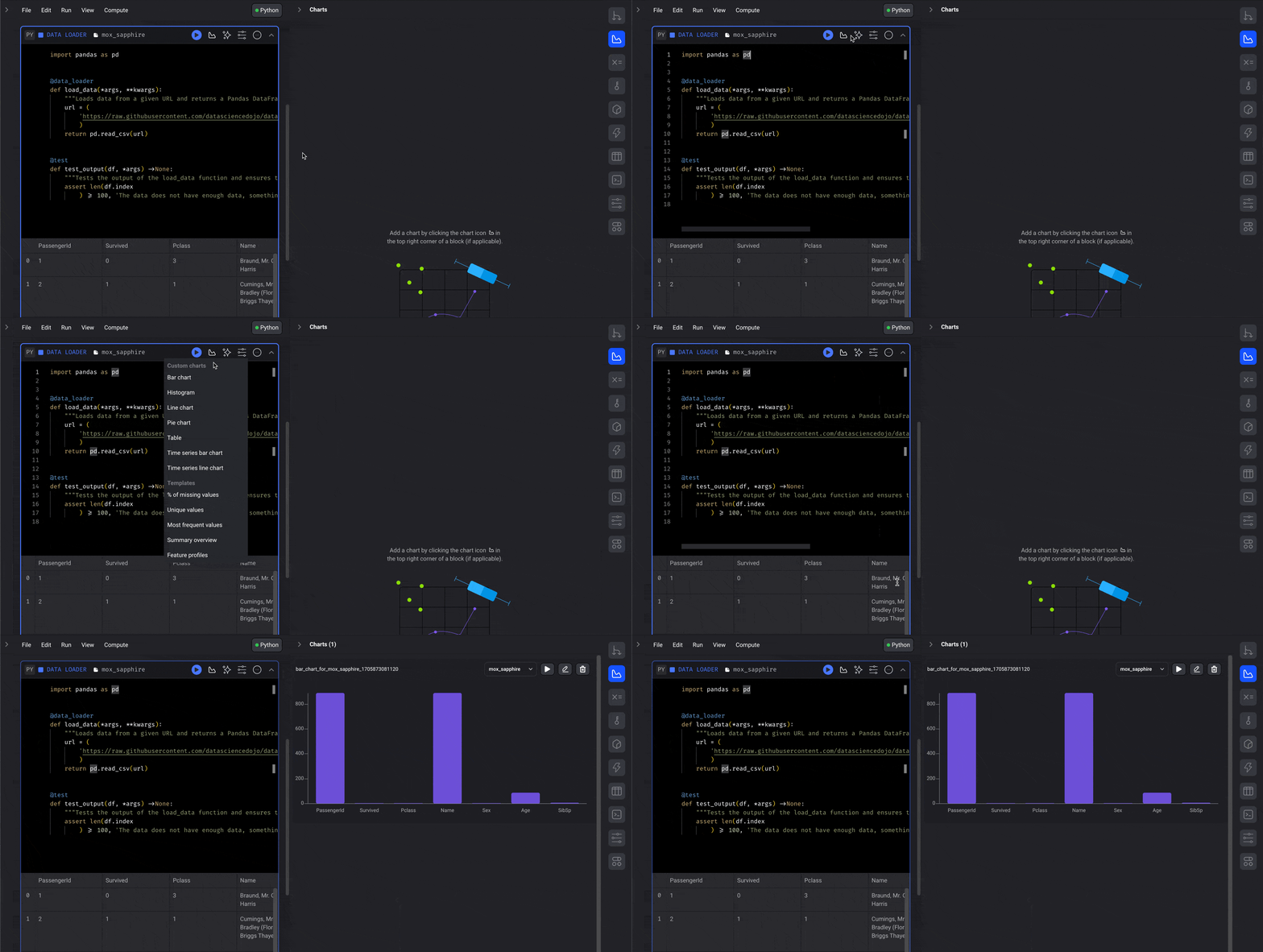
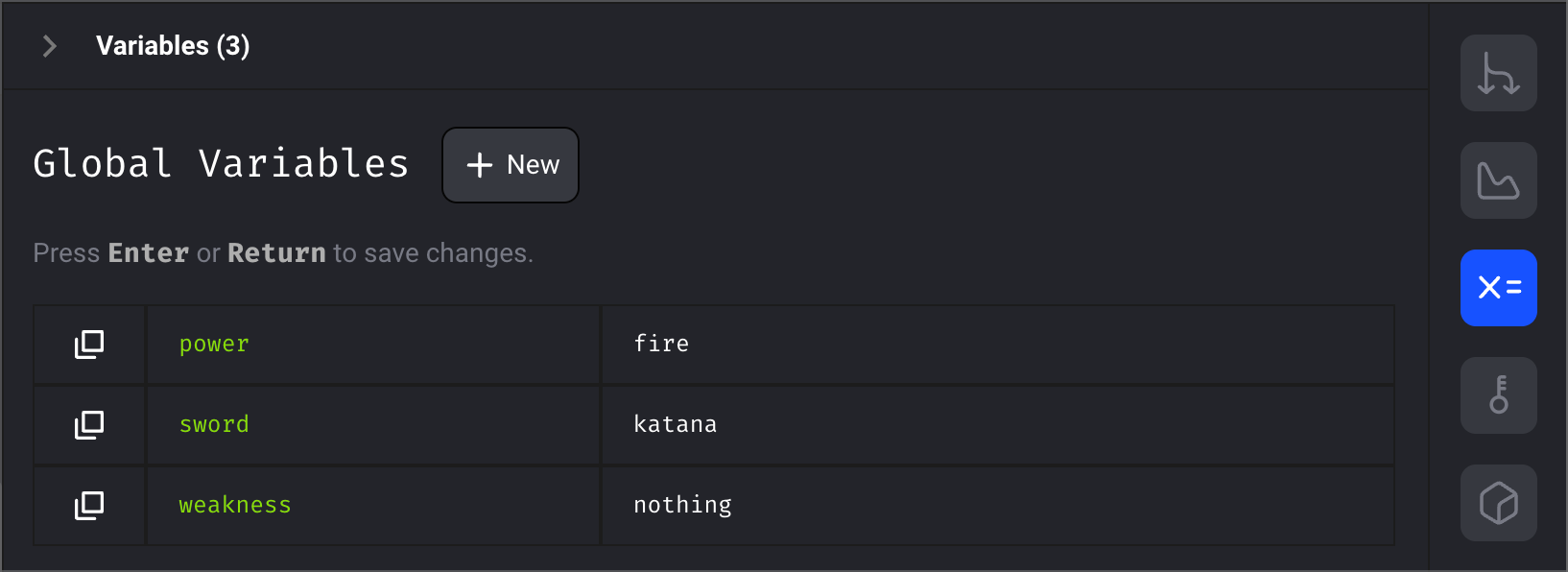
Configure pipeline variables
Store sensitive secrets
Secrets don’t make friends… but they save companies from oblivion.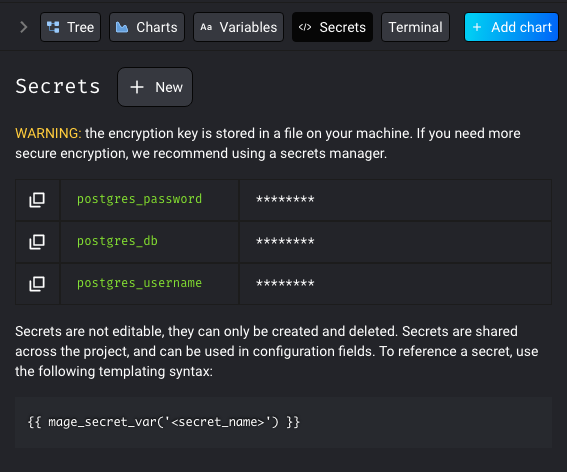
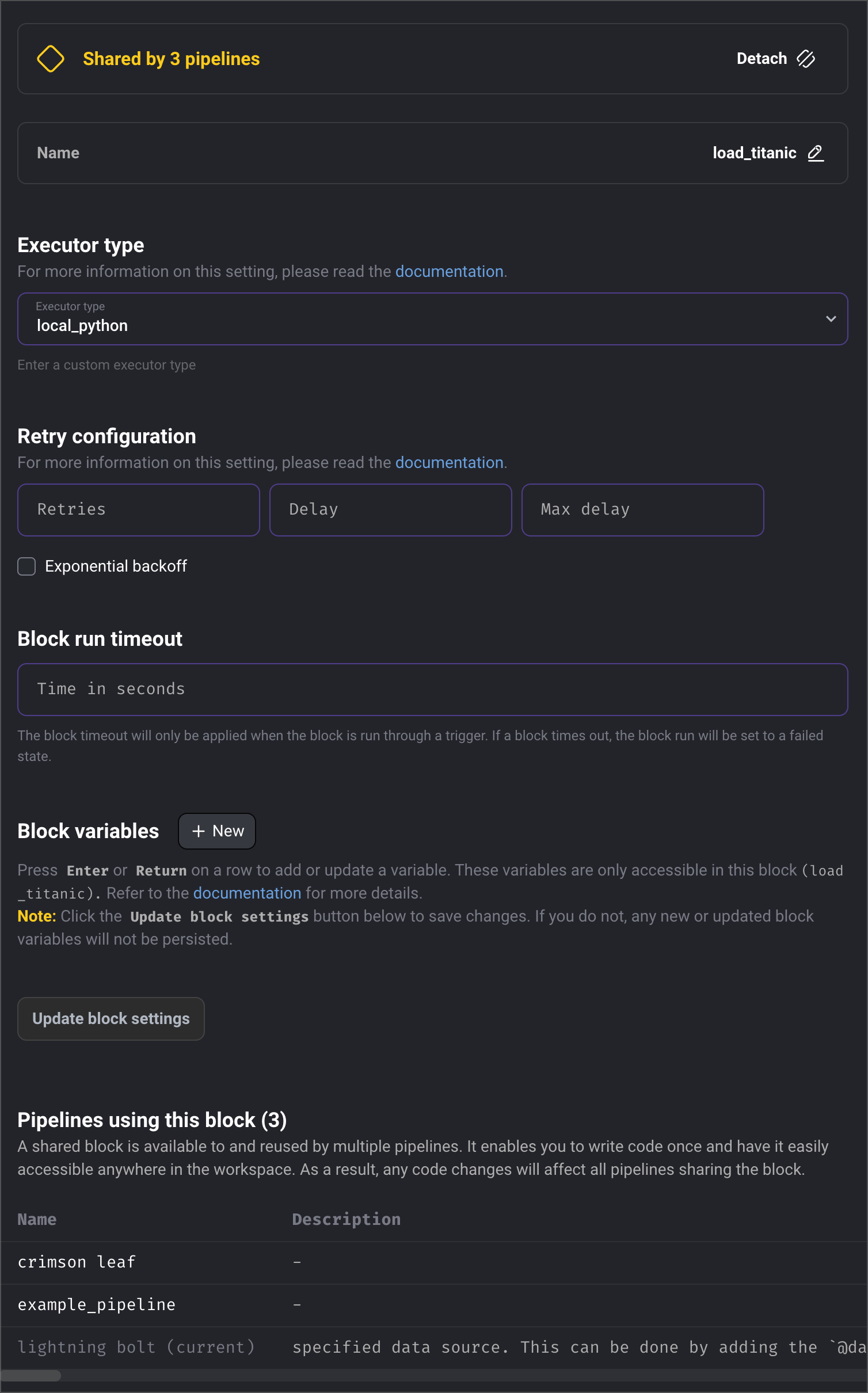
Customize settings for every individual block
- Rename a block
- Set what execution engine the block should use
- Configure how the block should retry itself in case of failure
- Set a timeout limit for how long the block can run before it should fail
- Configure variables specific to a block
- View which pipelines are currently using a block